
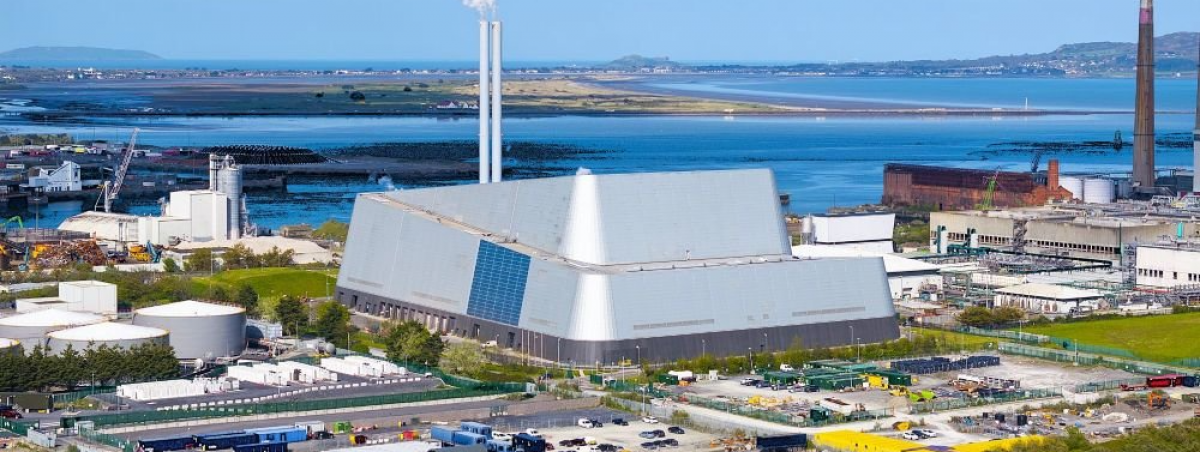
UK energy-from-waste company Encyclis has agreed to sell its 50% ownership stake in the Dublin Waste to Energy facility to the Universities Superannuation Scheme (USS), marking a strategic shift in its energy portfolio management.
Interplas Insights reported that the transaction is expected to complete in summer 2026, with the asset continuing to play a key role in Ireland’s waste-to-energy and baseload electricity infrastructure.
The Dublin facility processes up to 690,000 tonnes of residual waste annually, converting it into approximately 61.5MW of baseload electricity while supporting resource recovery and district heating supply for Dublin’s emerging heat network.
The plant will also undergo mechanical and electrical upgrades delivered by original equipment manufacturer Kanadevia Inova, including enhancements to boilers, combustion systems, cooling infrastructure and ash handling systems.
These improvements are expected to increase annual throughput by up to 90,000 tonnes, strengthening operational efficiency and energy recovery output across the facility.
Encyclis Chief Executive Mark Burrows-Smith said: “We are pleased to announce this strategic step as we continue to strengthen our core cluster of Energy-from-Waste facilities in the UK Midlands.”
He added that the revised ownership structure will support long-term operational stability while enabling the company to focus on optimisation and growth within its UK energy-from-waste portfolio.
USS said the acquisition aligns with its long-term investment mandate and reflects the strategic importance of waste-to-energy assets in delivering baseload generation and supporting energy transition infrastructure.
The transaction highlights continued institutional investment in energy-from-waste assets across Europe, particularly where facilities combine waste management, electricity generation and district heating capabilities.
Read the full report for detailed insights into the Dublin Waste to Energy transaction, including ownership restructuring, capacity upgrades and its role in Ireland’s baseload electricity and district heating infrastructure.




.png)