
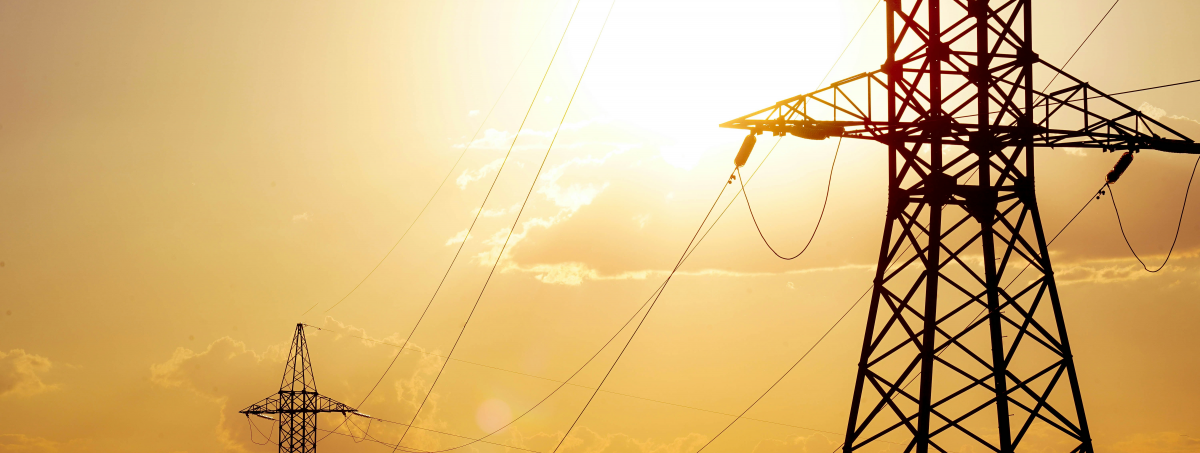
Business energy decision-making is at a turning point across the UK and Ireland. New research from Centrica Business Solutions finds that nearly three quarters of UK and Irish businesses are delaying major energy decisions while waiting for greater certainty. The Power Paradox report, based on a survey of 500 organisations, finds businesses struggling to balance decarbonisation ambitions with rising costs, resilience concerns, and market uncertainty. The appetite for change is growing rapidly.
The Centrica findings make clear that the barrier to progress is not ambition but confidence. Three developments give Irish business energy leaders reason to act: the boardroom elevation of energy as a strategic priority, a landmark surge in openness to new technologies, and the growing viability of flexible financing models that remove the capital expenditure barrier.
Energy has become unambiguously a boardroom issue. Sixty-nine per cent of surveyed businesses say rising costs and resilience risks have elevated energy to leadership level. In Ireland, wholesale electricity prices rose 19% between February and March 2026, and the Climate Change Advisory Council confirms Ireland has the highest household electricity prices in the EU. The Centrica findings mirror the urgency Irish C-suite leaders are already experiencing.
Technology openness has reached a landmark level. More than eight in ten businesses are now open to experimenting with new energy technologies, up from 58% in 2025. Colin Brown, Operations Director at Centrica Business Solutions, noted the challenge is no longer ambition but uncertainty around infrastructure and market conditions. For Irish businesses, the Government’s Large Energy User Action Plan and expanded SEAI funding provide a structured pathway through that uncertainty.
Financing models are evolving in ways that expand the addressable market. Sixty-six per cent of businesses now lean towards flexible finance over traditional capital expenditure for new energy technologies, driven by better cost predictability and reduced balance sheet impact. For Irish energy service providers, this is a structural shift in how solutions can be delivered, opening a larger pool of customers who previously faced capital barriers.
Three priorities stand out for C-suite leaders. First, use the current high-price environment to build the investment case for on-site generation and power purchase agreements. Second, engage customers through flexible finance structures such as energy-as-a-service models, addressing the capital constraint 66% of businesses identify. Third, position technology experimentation as a differentiator for clients seeking to navigate the complexity preventing 30% of businesses from meeting 2030 targets.
The Power Paradox is real but resolvable. Businesses across the UK and Ireland want to act on energy, and the commercial frameworks to support them are maturing quickly. Irish business energy leaders who move with purpose in 2026, backed by strong policy support and proven technology, will close the gap between ambition and action.
(The views expressed by the writer are his/her own and do not necessarily reflect the views or positions of BusinessRiver.)





.png)