

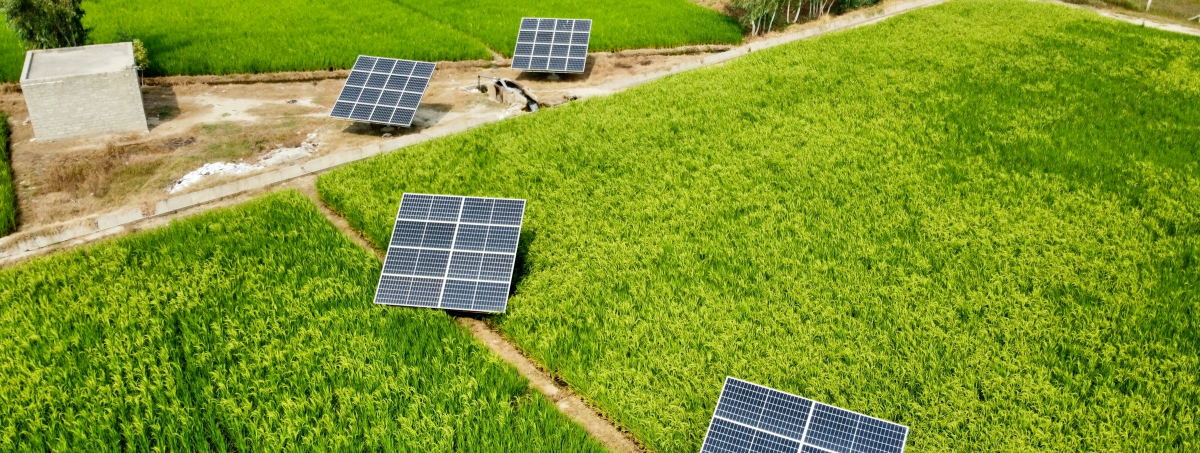
Swedish solar developer Alight has been tapped to build a 4.3MWp behind-the-meter solar plant for India-based Piramal Pharma's UK manufacturing site in Northumberland, a deal that shows pharmaceutical manufacturers turning to onsite generation and PPA structures to manage energy costs and resilience without upfront capital outlay.
Alight is a Swedish solar company specialising in behind-the-meter solar projects delivered through power purchase agreements for commercial and industrial clients across Europe.
Piramal Pharma is an India-based pharmaceutical company, with its UK unit, Piramal Pharma Solutions, providing active pharmaceutical ingredient development, clinical supply, commercial manufacturing and packaging services from its Morpeth site.
The solar farm will host around 6,200 panels capable of generating approximately 3,950 MWh of electricity annually, covering roughly 22% of the Morpeth site's power needs once commissioned in the first quarter of 2027. Rob Stait, managing director of BtM at Alight, said: "Businesses across the UK are looking for practical ways to lower emissions, strengthen energy resilience, and manage long-term energy costs. This project with Piramal Pharma shows how onsite solar can deliver all three."
The PPA structure lets Piramal avoid capital spend while locking in power pricing well below grid import rates: behind-the-meter industrial deals in the UK typically price at 8 to 11 pence per kWh against grid import costs of 28 to 32 pence, a spread wide enough to justify the arrangement even for a site the solar farm only partially supplies.
That structure has become the dominant subsidy-free financing route for UK commercial and industrial solar, with electricity prices structurally higher than pre-2021 levels making PPA economics attractive even at sites with modest daytime demand and lower irradiance than historically required to justify investment.
Partial coverage, at 22% of Morpeth's needs, also reflects a common first-phase approach among industrial PPA adopters: sizing the initial system to available roof or land footprint rather than total demand, then assessing a second phase once operational performance and savings are proven.
For the sector, an overseas pharmaceutical manufacturer signing a UK onsite PPA rather than waiting for cheaper grid electricity or public subsidy signals that energy cost certainty, not just decarbonisation targets, is now driving industrial PPA uptake independently of policy support.
Source: Renewables Now / Solar Power Purchase Agreements






.png)