

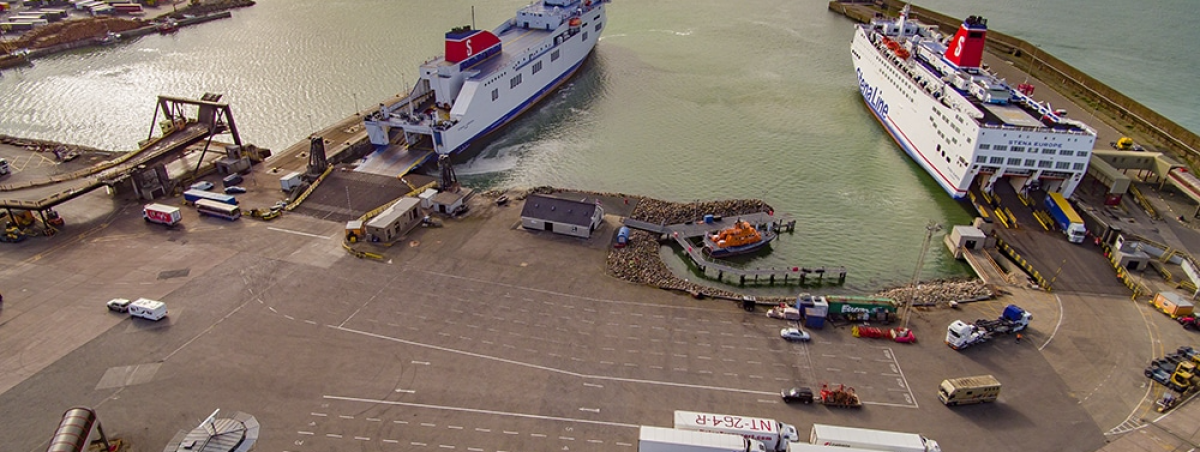
Ireland’s offshore wind ambitions have taken a significant step forward as new plans linked to Rosslare Europort position the southeast as a potential powerhouse for renewable energy. The proposed development is expected to underpin the national goal of delivering 5 GW of offshore wind capacity by 2030, with infrastructure that could support up to 1 GW of installations every year.
If the project secures approval, construction is scheduled to begin in 2027, with completion targeted for 2029. This timeline is viewed as pivotal for accelerating Ireland’s wider green economy, particularly in regions poised to gain from long term investment in clean energy supply chains.
Industry stakeholders note that the facility would offer a strategic platform for staging, assembly and maintenance operations across multiple wind projects, giving developers faster mobilisation options and strengthening Ireland’s competitiveness in the offshore market.
Political leaders in the southeast have openly welcomed the proposal. Wexford Labour TD George Lawlor described it as a transformational opportunity not only for Wexford but for the entire country, citing its potential to attract investment, create jobs and anchor Ireland more firmly within the emerging offshore wind economy.
The development follows a series of recent milestones at Rosslare Europort, including progress on the National Offshore Renewable Hub and earlier agreements designed to streamline Ireland’s offshore wind pipeline.
The initiative reflects a broader national shift toward expanding renewable capacity, reducing dependence on imported energy and meeting climate commitments. With global demand for offshore wind infrastructure rising, the southeast’s emerging role could give Ireland a more influential position in Europe’s clean energy landscape.
Approval of the project would signal a decisive move toward faster deployment and stronger regional economic growth as the country races to meet its 2030 targets.
Access the full article to explore the wider economic and policy implications.






.png)