

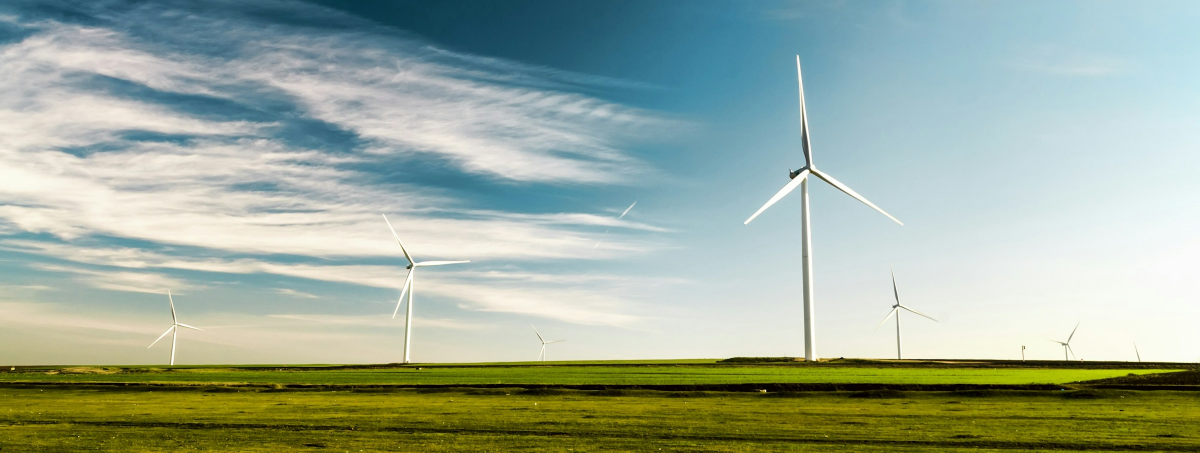
Ireland’s Budget 2027 has delivered the most significant public investment in energy transition in the state’s history. The Government has allocated €1.28 billion to energy, climate action and environmental measures, with €950 million directed to a secure, sustainable and affordable energy sector. More than €650 million is designated for home and community energy upgrades, with solar energy at the centre of a significantly expanded support package effective from 6 October.
For business energy leaders, this budget is a commercial accelerant. New measures include solar PV and battery storage as standard under the Warmer Homes Scheme, increased grants for solar and insulation, more favourable eligibility for solar thermal, a fossil fuel boiler scrappage scheme, and a new home battery storage grant. Irish households can save up to €878 per year. Combined with existing energy efficiency grants for insulation and heat pumps, annual savings can reach €1,200.
The business case is equally strong. Expanded solar energy supports enable businesses to reduce annual energy costs by up to €300,000, with further savings through solar thermal and heat pump grants. Minister Darragh O’Brien noted that more than one in ten Irish homes have already benefited from SEAI-supported energy upgrades and that Budget 2027 is designed to accelerate that reach.
The analyst perspective adds important commercial context. Sean Casey, EY Ireland energy sector lead, welcomed the energy supports as relief against geopolitical price volatility but noted that short-term measures must not come at the expense of longer-term investment in renewables, grid and system resilience. Casey highlighted microgeneration as particularly welcome and identified solar, microgeneration, and battery storage as key categories for Ireland’s clean energy future.
The budget’s scope extends beyond the residential sector. The €170 million allocated to climate action includes €25 million for EU Just Transition programmes and more than €22 million for local authority climate measures. A further €150 million for the circular economy, including €47 million to address waste contamination sites, reflects a broader commitment to renewable energy and resource productivity.
Three priorities stand out for C-suite leaders. First, build solar PV propositions around the €300,000 annual saving potential for businesses, with payback cases the new grants directly support. Second, position battery storage as the complement to solar, given that both are now standard in the Warmer Homes Scheme. Third, use the EY framing: short-term affordability and long-term resilience are two sides of the same investment case.
Budget 2027 makes Ireland’s clean energy trajectory a matter of funded policy rather than aspiration. The €1.28 billion commitment, combined with the €18.9 billion EirGrid grid investment programme, creates the most comprehensive renewable energy environment in Ireland. Business energy leaders who act decisively will be building in the direction the entire policy architecture is pointing.




.png)