
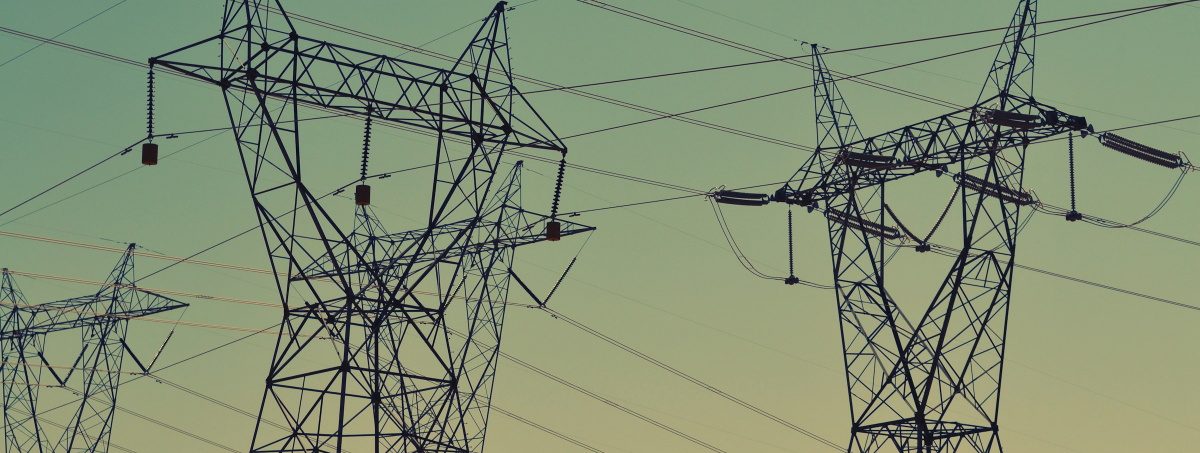
Energy has become the number one food security worry for UK food and agribusinesses, and the signal reaches well beyond Britain. Mills & Reeve’s Food and Agribusiness Outlook 2026 finds that energy costs account for 21% of the food security concerns respondents selected, ahead of weather and water access at 19%, supply chain logistics at 13% and workforce pressures at 12%. For Irish business energy leaders, a sector this exposed is also a sector with a clear need for solutions.
The research is sober, but the commercial reading is positive. Businesses are already shifting towards selective, efficiency-led investment, and energy suppliers can meet that demand. Three points frame the opportunity: energy costs as a food chain risk, cost saving as the investment driver, and Ireland’s grant landscape as an accelerator.
Energy costs are a food chain risk in Ireland too. CSO figures show energy prices up 18.3% over the 12 months to October, while food prices rose just 0.1%. Deloitte Ireland chief economist Kate English notes that the ESRI has estimated energy increases reach food costs eight to 10 months later, so a sharper food rise may still be ahead. Craig Hodgson of Mills & Reeve says energy, environmental and supply chain pressures are weighing on confidence across the industry.
Cost savings are steering investment. Mills & Reeve found that cost savings accounted for 64% of the primary drivers of AI adoption selected by respondents, and businesses are placing greater weight on productivity, efficiency and returns. The same logic applies to energy. Hodgson describes a sector building resilience while preserving flexibility, which favours modular measures such as energy efficiency upgrades and on-site solar.
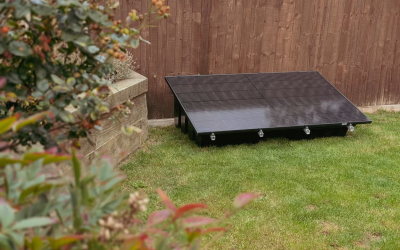
Ireland’s supports make that choice easier. Budget 2027 commits €1.28 billion across energy, climate and environmental measures, with expanded solar energy supports that can reduce annual business energy costs by up to €300,000. For farms, Teagasc notes that TAMS offers up to 60% grant aid for solar PV, and lead guide author Dr John Upton describes solar as a smart investment in farm resilience. Energy storage adds further protection against price spikes.
Three priorities stand out for C-suite leaders. First, build energy efficiency audits and solar proposals for agrifood clients, using TAMS and Budget 2027 supports to shorten payback. Second, review energy procurement contracts across food supply chains, favouring fixed-price or renewable-linked structures ahead of the price lag the ESRI describes. Third, package storage with solar so clients can protect refrigeration and processing loads.
Britain’s survey puts energy at the centre of food security thinking, and Irish data points the same way. Business energy leaders who help agrifood clients cut exposure through efficiency, solar and smart procurement will strengthen margins and the wider Irish food system together.






.png)