
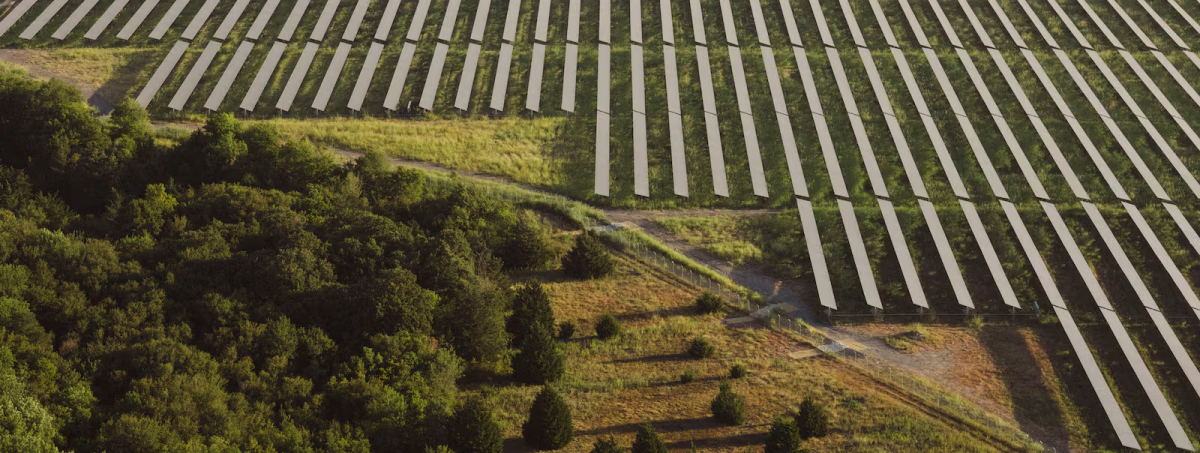
Irish energy consulting firm Azorom has completed a six-month, World Bank-funded feasibility study for the Palestinian Energy and Natural Resources Authority on adding distributed solar and battery storage to West Bank electricity networks, work that matters to developers, lenders and equipment suppliers because it produces investment-ready procurement documentation for a market targeting 1,430MW of new solar by 2030. The West Bank currently depends on Israel for 87% of its power needs.
Azorom is an Irish energy consulting firm that was selected by the Palestinian Energy and Natural Resources Authority through an international tender and previously advised private investors on grid-connected solar farms in Ireland ranging from 4MW to 25MW.
Palestinian Energy and Natural Resources Authority (Penra) is the Palestinian government agency responsible for the energy sector, which is targeting an additional 1,430MW of solar PV by 2030, nearly five times current installed capacity across the West Bank and Gaza.
World Bank is the international development lender that funded the feasibility study.
Azorom assessed two pilot networks, Tulkarem Municipality in an urban setting and the Tubas District Electricity Company in a predominantly rural one, which together serve about 54,000 customers and host over 12MW and over 27MW of existing solar PV respectively.
Conor Lonergan, chief executive of Azorom, said: “The West Bank faces significant electricity supply constraints, recurring outages and a heavy dependence on imported power.” Lonergan added: “The focus is on enabling greater use of locally generated renewable energy while supporting a more secure and reliable electricity supply for communities and businesses.”
The study is intended to provide a replicable model for wider roll-out across the West Bank.
A World Bank estimate puts West Bank solar PV and concentrated solar potential at 3,477MW and rooftop solar at 534MW, according to a review of Palestinian renewable energy policy.
Storage faces a regulatory gap: energy storage currently lacks a distinct regulatory classification under the Electricity Law, creating uncertainty over licensing, grid connection rules, ownership and tariffs, according to a market assessment.
For the sector, the work turns a national solar target into network-level designs and procurement documents, the stage at which developers and lenders can assess projects, while storage rules remain to be defined.
Source: The Irish Times / ScienceDirect






.png)