

Business energy costs have surged 25% since February 2026, and Cornwall Insight’s Business Energy Cost Forecast makes the case for proactive action clearer than ever. A typical 12-month electricity contract for a small industrial and commercial business now averages £638,500 (approximately €747,000), up 25% since February. Gas costs for the same business have risen to £1.15 million (approximately €1.35 million). Many businesses face October renewals locking in at worse rates than expected.
For business energy leaders in Ireland and the UK, this is a definitive mandate for strategic action. Three factors driving the 25% rise deserve attention: the US-Iran conflict pushing wholesale prices to their highest in almost four years; European gas storage harder to refill ahead of winter; and summer heatwaves increasing gas demand across Europe.
The data highlights a structural problem that energy procurement strategy can address. Businesses face higher wholesale costs alongside increases in system balancing and network charges. Nearly 90% of business energy consumption comes from companies with no policy cost support. Jacob Briggs, Energy Users Lead at Cornwall Insight, noted that high bills are weighing on investment decisions and that businesses tracking price signals are better positioned, whether by locking in contracts or investing in on-site generation.
For Irish businesses, the 25% UK rise is a direct forward indicator. Ireland’s energy market is linked to UK and European wholesale gas prices through the island of Ireland electricity market and its dependence on imported gas. Sound energy management in Ireland requires a strategic response beyond contract renegotiation. The SEAI’s programmes and the Government’s LEAP framework provide a structured route to reducing fossil fuel exposure through efficiency and renewable procurement.
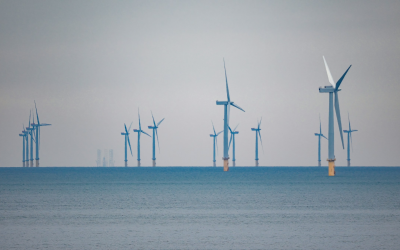
The commercial case for on-site renewable energy has never been stronger. In Ireland, wind kept wholesale prices at €94 per megawatt hour on high-wind days versus €179 on low-wind days in early 2026. Every megawatt of on-site solar or wind reduces exposure to the Middle East conflict and Norwegian outages driving bills higher. Wind Energy Ireland confirms domestic renewables directly reduce wholesale electricity costs for Irish businesses.
Three priorities stand out for C-suite leaders. First, review energy procurement contracts now, prioritising fixed-price products ahead of October renewals. Second, accelerate on-site clean energy investment using SEAI solar and efficiency grants. Third, engage with demand response programmes to generate revenue from grid services while reducing the bill exposure Cornwall Insight confirms is weighing on investment.
A 25% rise in six months is a clear signal to urgently accelerate every energy strategy review. The Middle East conflict, storage concerns, and heatwave demand all point to continued volatility. Irish business energy leaders who invest in clean energy and smart energy procurement will build the cost stability the current market makes essential.






.png)