

Northern Ireland's electricity system operator SONI has demonstrated that the grid can operate securely with two large conventional generators online under defined conditions, reducing the previous minimum requirement of three. The milestone increases the share of renewable electricity that can flow to homes and businesses while maintaining the system security standards required for stable grid operation.
Business Eye reported that the change follows detailed engineering analysis and a carefully controlled operational trial, and is already delivering tangible benefits including increased utilisation of renewable generation, reduced wind curtailment, and greater operational flexibility across the Northern Ireland electricity system.
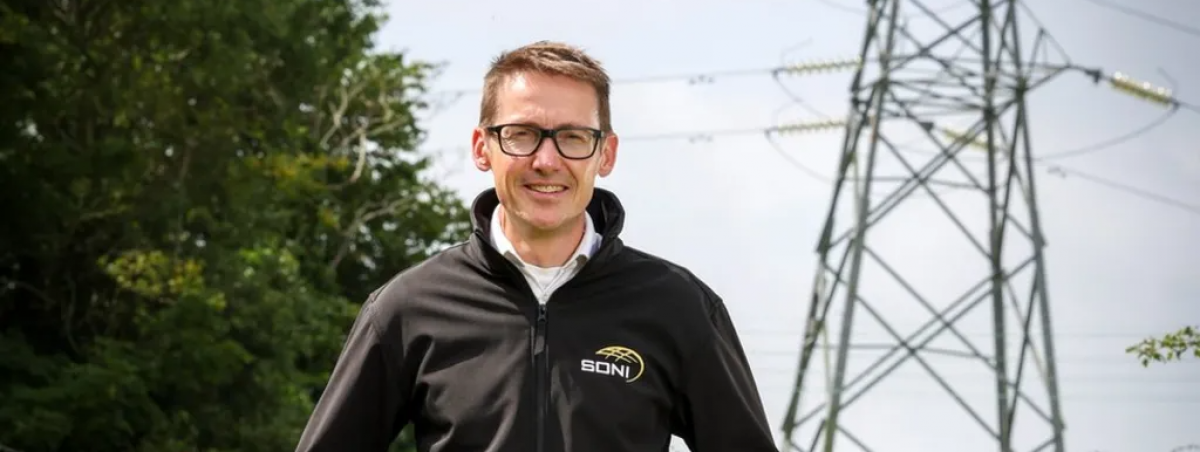
Alan Campbell, chief executive of SONI, said the development is a significant step forward for Northern Ireland's electricity system, and that by carefully reducing the minimum number of conventional generators required, more renewable energy can safely be accommodated, helping to put downward pressure on costs for consumers while maintaining high standards of stability and reliability.
Campbell added that SONI has introduced new tools in its grid control room to make better use of renewable energy and large-scale battery storage, and that two contracts for synchronous condensers have been awarded, with a second round of procurement imminent. Synchronous condensers provide the inertia and stability services previously dependent on running conventional gas-fired generators.
Historically, three large natural gas-fired power stations were required to remain operational at all times to manage sudden disturbances and maintain system stability. The reduction to two under defined conditions creates new headroom for renewable generation to displace fossil-fuelled output, supporting Northern Ireland's target of 80 per cent renewable electricity by 2030.
Read the complete report on SONI's grid innovation milestone.






.png)