
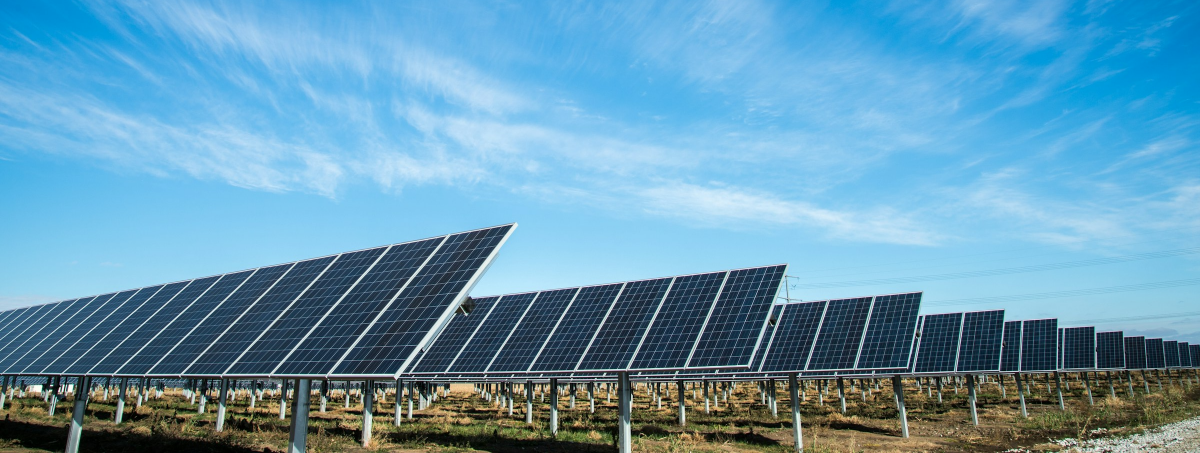
Ireland’s solar sector is set to surpass 3.3GW of connected capacity by end of 2026, and the pace of expansion is creating both a landmark achievement and a defining opportunity for business energy leaders. Solar Ireland’s Scale of Solar 2026 report, covered by pv magazine, confirms 2.7GW of connected capacity at end of May, adding nearly 1GW in a year. With 190,000 rooftop systems operational and a 1.7GW pipeline in progress, the sector’s growth is structural.
The report makes a compelling case that Ireland’s solar expansion has reached the scale at which energy storage becomes the defining commercial opportunity. Three signals underpin this: the emergence of a significant duck curve signalling midday solar surpluses and sharp evening demand spikes; Solar Ireland’s call for accelerated battery investment; and EirGrid’s warning of a challenging supply period between 2026 and 2028.
The duck curve is a direct product of solar success. When generation peaks at midday and drops sharply as businesses and households draw on the grid in the evening, system operators face a steep demand ramp that conventional generation cannot efficiently cover. In Ireland, this is compounded by data centre demand at 32% of grid electricity and EV adoption up 40.5% year on year in the first quarter of 2026, per EirGrid. Battery storage is the most effective solution.
Ireland has approximately 800MW of grid-scale battery storage operational. Statkraft’s Cushaling project in County Offaly, Ireland’s first four-hour battery system launched in February 2026, demonstrates what is achievable. Cornwall Insight forecasts Irish battery storage growing from around 1GW to 5GW by 2030. From June 2026, new rules require all Irish electricity suppliers to offer dynamic tariffs, creating a commercial incentive for battery deployment.
The commercial opportunity is substantial. Ireland’s SEAI solar grant of €1,800 remains confirmed for 2026, sustaining rooftop deployment. KPMG’s Sunrise report estimates that meeting Ireland’s 8GW solar target by 2030 could deliver between €2.3 billion and €2.7 billion in gross value added and support over 7,000 jobs. Battery integration sits at the highest-value point in this chain.
Three priorities stand out for C-suite leaders. First, develop battery storage propositions as the natural second step for the 190,000 Irish households and commercial operators already running solar. Second, engage with EirGrid’s evolving grid services market, where the move from DS3 to FASS creates new revenue streams for storage from 2027. Third, offer clients dynamic tariff optimisation pairing storage with half-hourly pricing to deliver quantifiable bill reductions.
Ireland’s solar capacity is crossing 3.3GW. The sector that built 2.7GW in three years now needs battery storage at comparable scale. Business energy leaders who build the storage capability and financing to match this moment will lead the most commercially consequential phase of Ireland’s energy transition.
(The views expressed by the writer are his/her own and do not necessarily reflect the views or positions of BusinessRiver.)







.png)